
Old Glory and the American Dream
One Family's 130-Year Tradition Arrives at America's 250th
Pick up a bag of MV Vargas California Dry Jerky and you are holding, without knowing it, a piece of American history.
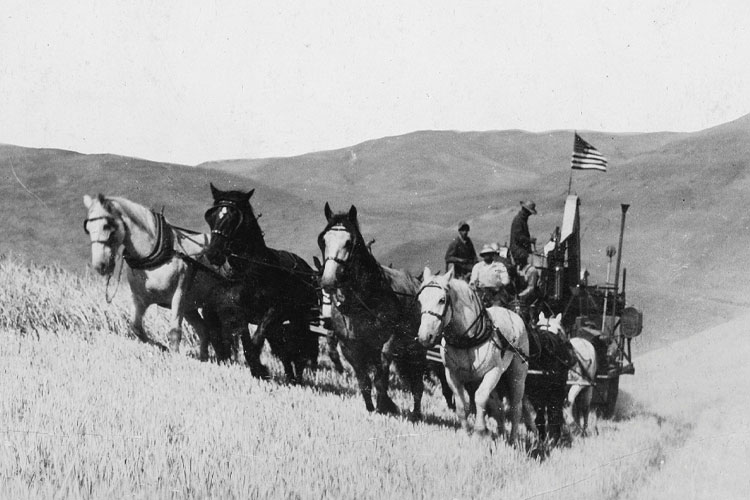
On the front of every bag is a black-and-white photograph: Manuel P. Vargas standing in the sunlit hills of Livermore with two of his sons beside him, the kind of image that makes you want to know the story behind it. That story begins more than 130 years ago on a small island in the middle of the Atlantic — and it arrives, with almost uncanny timing, at the doorstep of America's 250th birthday.
A NINE-YEAR-OLD'S WAGER ON AMERICA
Manuel P. Vargas was born in 1882 on Faial, a volcanic island in the Portuguese Azores. When he was nine years old, his parents — farming people with eleven children and limited prospects — made the wrenching but hopeful decision to send Manuel to America in the care of his uncle.
He arrived in New York Harbor on July 11, 1891, aboard the S.S. Vega, a nine-year-old boy with no English and no certainty about what came next. What came next, it turned out, was the American Dream.
Manuel made his way west to California, married, had eleven children of his own, and by 1919 had established a full ranch operation in the Livermore hills — hay, grain, beef cattle, dairy, five thousand chickens. In 1933, he registered a cattle brand with the state of California: the letters "MV," his initials, burned into the official record.
But it was a different tradition — quieter, more personal — that would define his legacy for the next century.
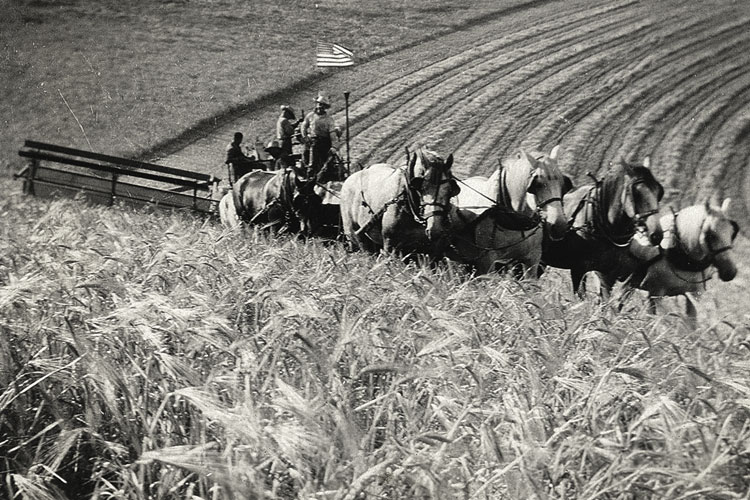
In the early 1920s, Manuel Vargas entered the commercial grain harvesting business, and from his very first day in the field, he flew the American flag from his equipment. Every morning, his crew raised it. Every evening, they brought it down with the same care. For Manuel, it was not patriotic theater. It was gratitude made visible.
"America to him represented opportunity. He wouldn't let us forget that. Old Glory to him was the symbol of golden opportunity."
A BICENTENNIAL REVIVAL
A generation later, the eldest son, Ernest Vargas had taken a different road from his father's farm. He welded ships in the Richmond shipyards during World War II, was drafted into the Army, served in the Pacific, and afterward built a welding business in Centerville — now part of Fremont — while raising two children, Susan and Emanuel, with his wife Isabel.
In the early 1960s, Ernest pulled back toward his agricultural roots, bought two combine harvesters and returned to the grain business. Isabel urged him to revive his father's flag tradition. Ernest balked. "Times had changed and people thought differently about this kind of thing: they might see it as just a commercial gimmick."
Then came 1976.
The nation was celebrating its Bicentennial, and Ernest's son Emanuel had just joined him as a full business partner. The business was renamed "Ernest E. Vargas & Son." Three gleaming red Massey Ferguson combines rolled through the San Joaquin Valley with the American flag flying above each cab.
Drivers stopped their cars on the side of the road to watch. Truckers pulled over. People stepped out of campers to take photographs.
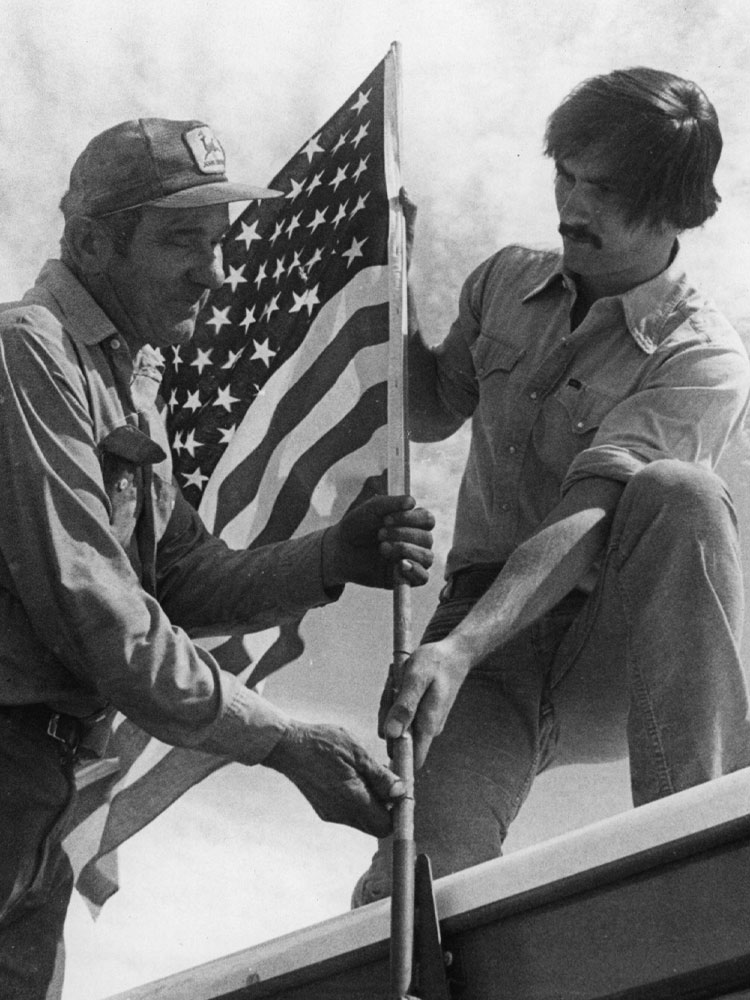
Photo courtesey of Tracy Press
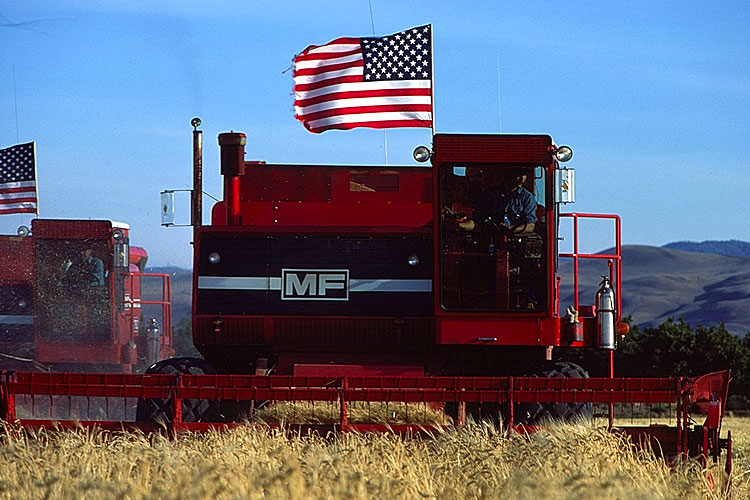
"On many a sunny summer day, you would see folks stopping and pulling alongside the roads to take pictures of this majestic and patriotic sight — the combines slowly harvesting across a broad sea of yellow grain, with the flags unfurled and flying out in their full glory."
Isabel Vargas ran the CB radio from home base — coordinating trucks, relaying messages, keeping the harvest season moving. In the evenings, she drove out to the fields just to watch. Shortly before her death in 1989, she was honored by the Soroptimist Club of Tracy with a lifetime achievement award.
In her acceptance speech, she described what she saw in those fields at dusk:
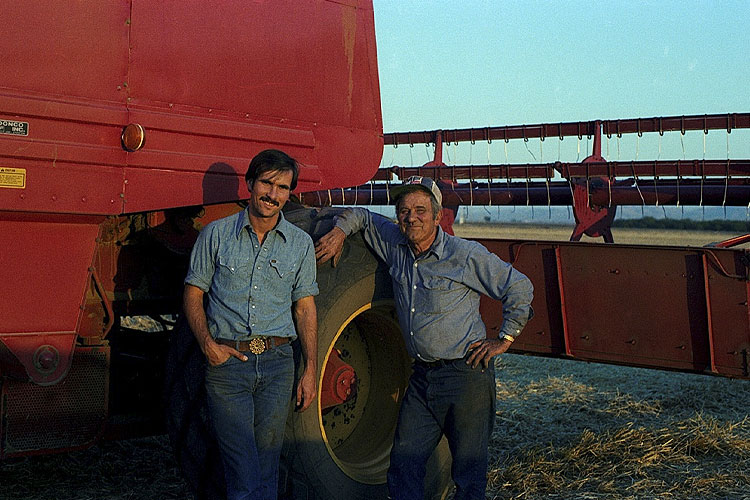
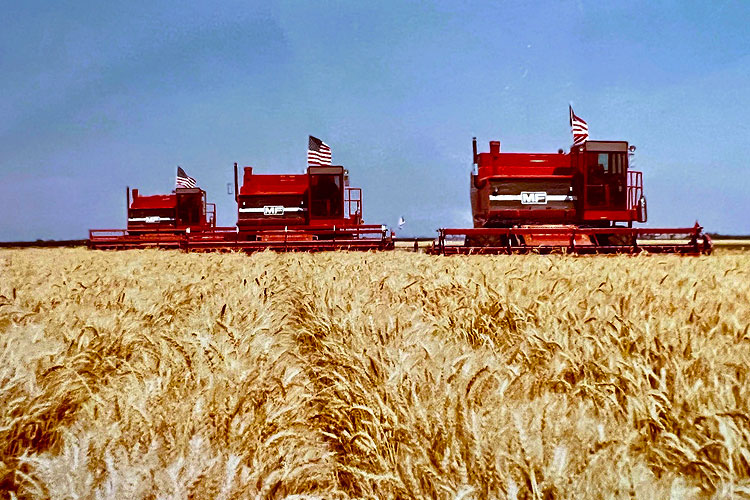
"Sometimes the sun is just setting and there are those special shadows at sunset… it is a beautiful sight to see those red harvesters with the American flag flying in the breeze, and the dust curling behind the rigs. I can't describe the pride and sentiment I have felt to see our harvesters coming across the field, knowing that it is my husband, my son and my grandson. I think of how proud my father-in-law would be to see them."
THE PICTURE THAT TELLS THE STORY
Emanuel Vargas Sr., after completing his education in 1978, at CSU Fresno, had moved on from commercial grain harvesting. Emanuel went into agricultural real estate, bought a pistachio ranch in Madera, and soon founded a pistachio distribution company in 1982 called Tri-Cal Pistachios, which eventually expanded into branded meat snack products.
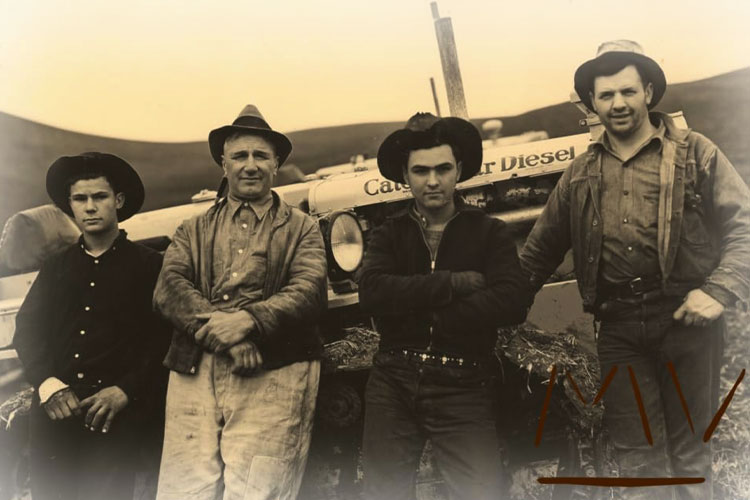
Then in 2008, while sorting through old family photographs, he found the image. His grandfather Manuel, standing in the Livermore hills with two of his sons and a son-in-law. A photograph that Emanuel said, “speaks to you and tells a story."
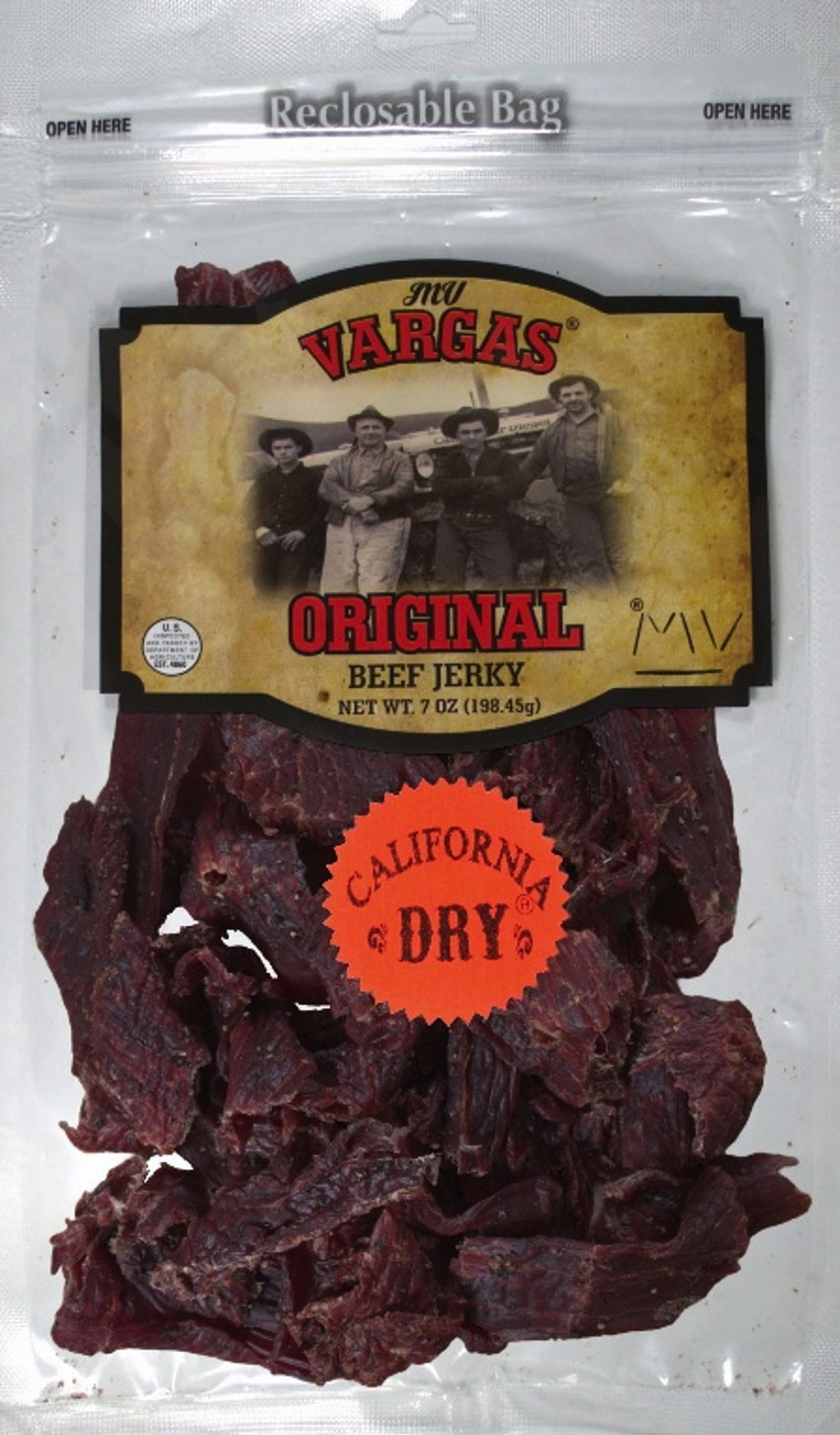
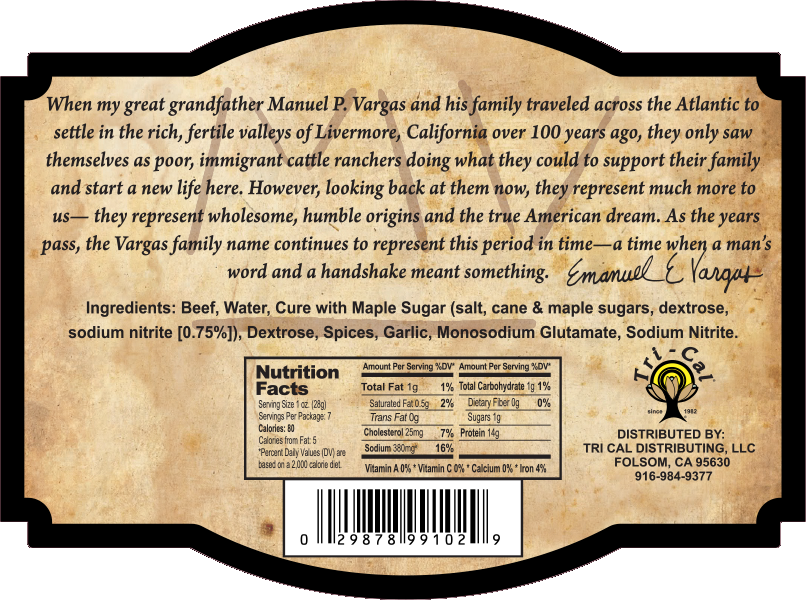
It took nearly a decade more, but in 2017, MV Vargas California Dry Jerky was launched — with Manuel's cattle brand embossed on every bag, his photograph on the front, and on the back, a tribute written by his great-grandson.
The MV cattle brand was first burned into the official California record in June 1933. It now appears on every bag of jerky shipped across the country.
The MV Vargas label carries Manuel's cattle brand, his photograph, and on the back, a tribute written by his great-grandson. Emanuel Sr. contemplated over what he could put on the label of this new product to convey the history behind it.
Before launching the brand in 2017, Emanuel Sr. decided to turn to his son Emanuel Jr., then seventeen years old. He asked him to write, in his own words, a short tribute to this story of his great-grandfather to be placed on the back label of the bag. What the teenager wrote was so thoughtful, so fully realized, that it was published on the label exactly as written – with Emanuel Jr.’s own signature beneath it.
THE FOURTH GENERATION
Emanuel Vargas Jr. was born in the year 2000. He grew up in the family business, but his path took an unexpected turn in 2013, when a family trip to Japan — retracing his grandfather Ernest's wartime footsteps — ignited a deep passion for Japanese language and culture.
In 2018, he was awarded the MEXT Scholarship, a full university scholarship from the Japanese government and one of the most prestigious academic honors available to international students. That year, he was the only high school student in the United States to receive it.
He spent five years in Japan and graduated from Hitotsubashi University in Tokyo.
In late 2024, his father let him know that retirement was on the horizon — almost the same conversation Ernest had once had with Emanuel Sr. fifty years earlier. And just as Emanuel Sr. had answered then, Emanuel Jr. said he wanted to come home.
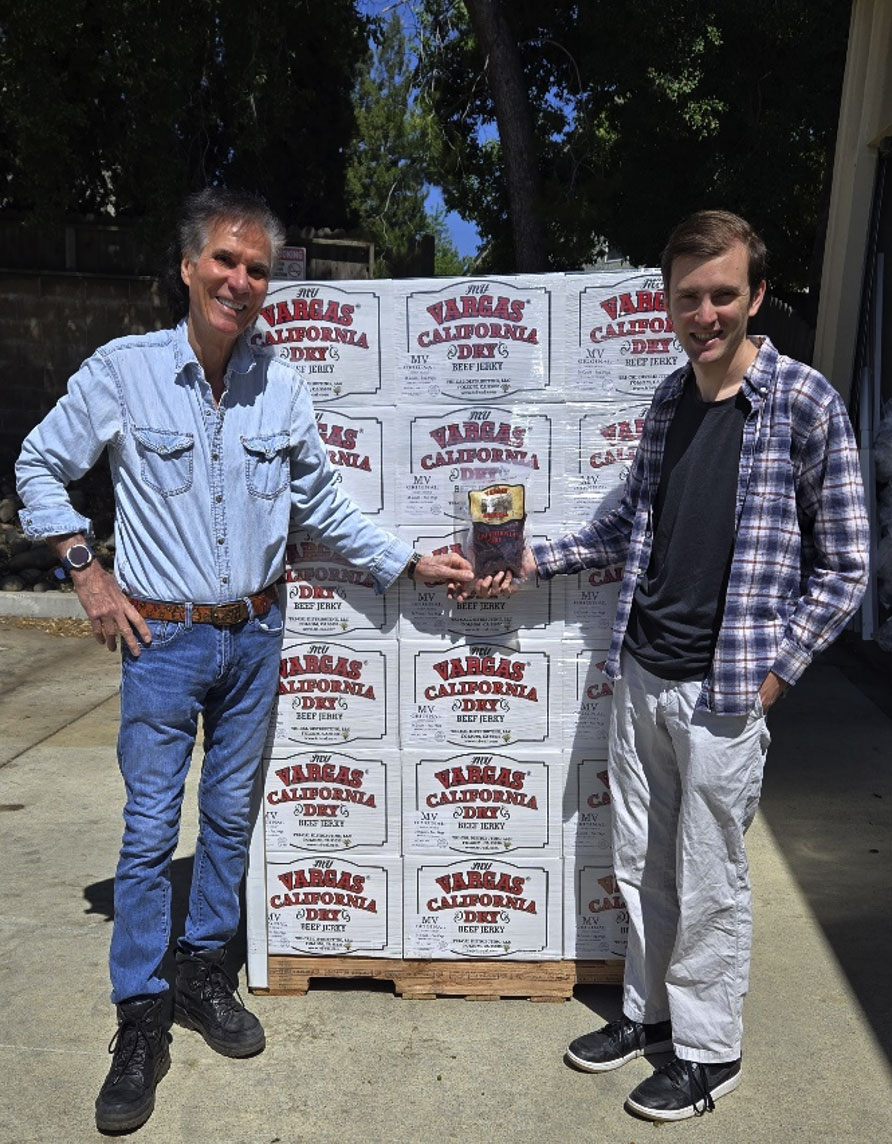
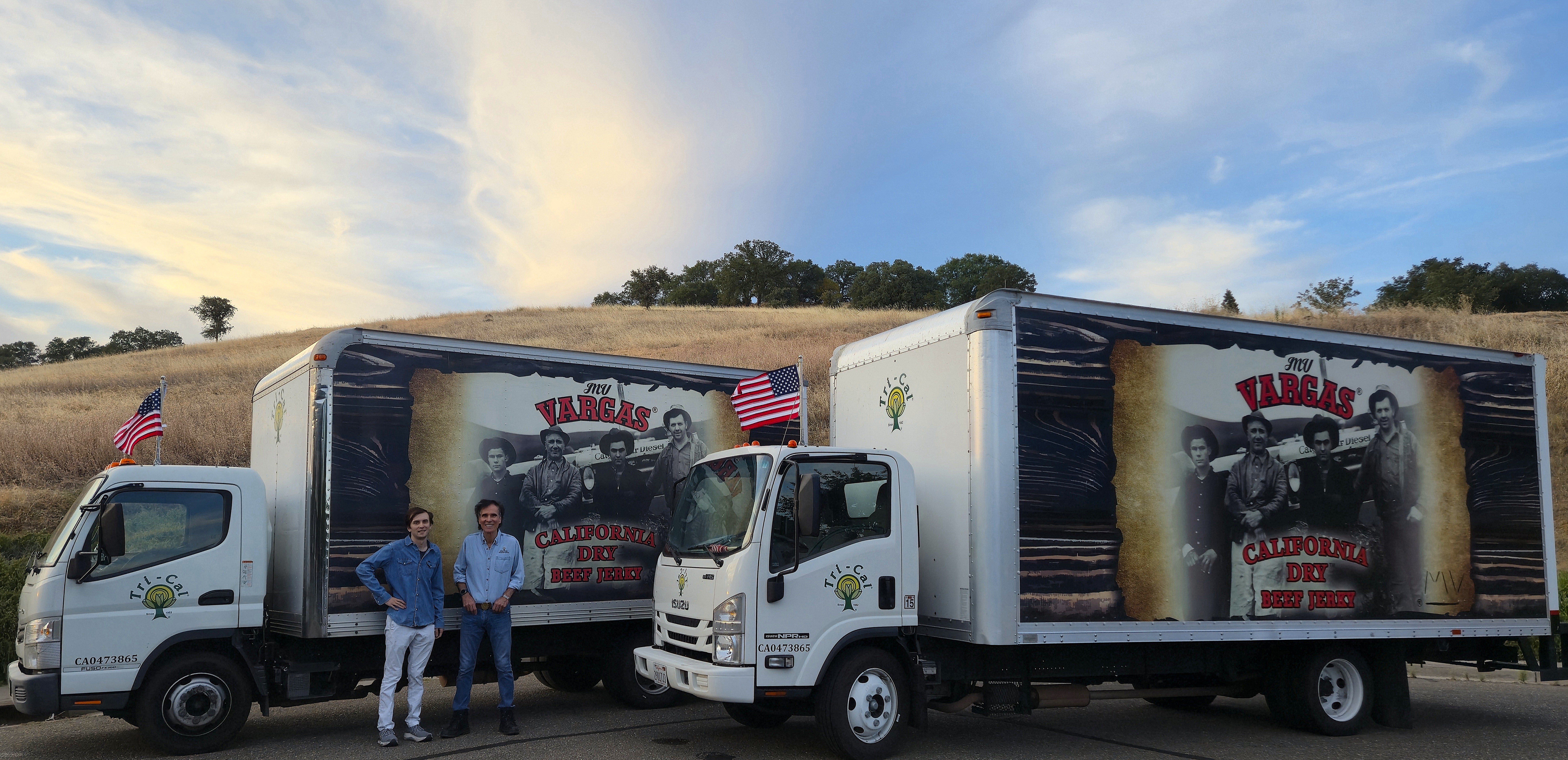
Emanuel Jr. landed in California on October 1, 2024. He joined the Tri-Cal team, took over the art department, expanded the company's digital presence, and brought new energy to the MV Vargas brand — the brand that carries his great-grandfather's photograph, his great-grandfather's cattle brand, and his own words.
THE FLAG RETURNS
As America's 250th anniversary approached, Emanuel Sr. was studying the MV Vargas label. The cattle brand was there. The photograph was there. The family story was there.
Something was missing.
Then it came to him. Had it not been there from the very beginning? The American flag!
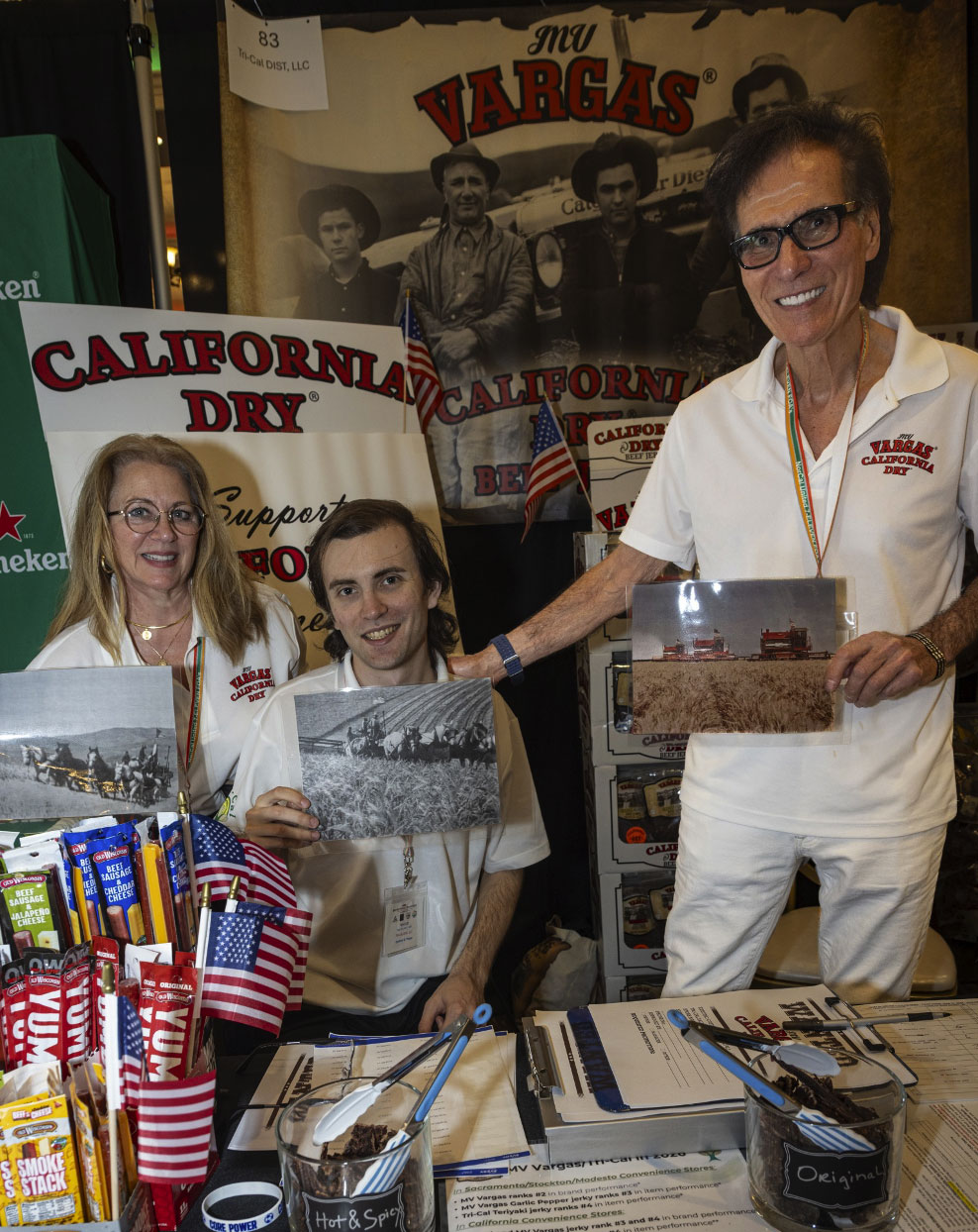
Today, the American flag accompanies Tri-Cal's fleet of trucks and MV Vargas California Dry Jerky displays — a deliberate, quiet echo of the flags that flew over the Livermore hills a century ago.
The symmetry of it is almost too incredible to believe, yet it is simply true. Manuel flew the flag with his son Ernest in the 1920s. Fifty years later, Ernest flew it with his son Emanuel in 1976, at the Bicentennial. Now another fifty years have passed, and Emanuel flies it with his son Emanuel Jr. in 2026, at the Semiquincentennial.
Three milestones in American history. Four generations of one family. One unbroken act of gratitude — begun by a nine-year-old boy who stepped off a steamship in New York Harbor and decided, before he even knew the language, that this was his country.
"It was about the pride and humbleness we had as a family, carrying on my grandfather's traditions of what he truly believed in. It was now our time to carry the torch."
Manuel P. Vargas came to America with nothing but hope. What he built — in family, in work, in the quiet ritual of raising a flag each morning and bringing it down each night — is still growing.